You pull on your wellies for a muddy dog walk or a day in the garden, and twenty minutes later your heel is on fire. Rubbing is the most common complaint about wellington boots, and it rarely means the boots themselves are rubbish. It usually means something is moving that shouldn't be, or something is damp that should be dry. Most of it can be fixed without buying a new pair.
Why Wellies Rub in the First Place
Wellington boots are made from rubber or a rubber-like compound. That is exactly what makes them waterproof, and exactly what makes them awkward. Rubber does not breathe, does not soften and mould to your foot the way leather does, and most pairs have no laces to tighten. Your foot slides a little with every step, and that tiny movement repeats thousands of times before you get home.
Loose heels
If your heel lifts more than a few millimetres as you walk, it is sliding up and down against the inside of the boot. That rubbing, not the boot's weight, is what removes skin. A boot that feels slightly too big is often worse than one that feels snug.
Moisture and heat
Damp skin softens and tears more easily, and wet fabric against wet skin creates far more friction than dry on dry. Cotton socks are the worst offender here: they hold sweat instead of moving it away, so your feet stay clammy all day.
Stiff cuffs and hard edges
A rigid cuff pressing into your calf, a seam sitting over your ankle bone, or a folded sock rubbing under the boot's rim all create pressure points. These produce sore red patches rather than classic friction blisters, but they hurt just as much.
1. Start With the Sock, Not the Boot
Before you spend anything on the boots, spend it on what goes inside them. A proper walking sock changes the fit of a wellington more than most people expect.
- Choose wool or a synthetic blend. Merino wool and technical fabrics wick moisture away and stay comfortable when damp. Bamboo is a decent softer option.
- Look for cushioning at the heel and a flat, seamless heel construction. A thick lumpy seam is a blister waiting to happen.
- Try a two-sock system. A thin liner sock under a thicker outer sock lets the two layers slide against each other instead of against your skin. It sounds fussy; it works.
- Pull socks up properly. A sock rucked up under your arch will rub within minutes.
If your wellies fit well but you only ever wear thin cotton socks in them, try a mid-weight walking sock before anything else.
2. Add an Insole to Close Up a Loose Fit
When a boot is a touch too roomy, an insole lifts your foot and takes up the slack, which stops the heel from sliding. A simple felt or memory foam insole is cheap and easy to trim to size with scissors. Sheepskin insoles add warmth as well as volume, which suits winter boots.
If the problem is only at the heel, a gel heel cup can be enough. Just watch the space above your toes: adding too much thickness can press the top of your foot against the boot. One layer, trimmed neatly, is usually all you need. Replace insoles once they flatten, because a compressed insole stops doing its job.
3. Heel Grips and Pads Where It Hurts
Suede heel grips stick to the inside back of the boot and add a soft, slightly grippy layer exactly where your heel moves. Place them just above the sore spot rather than directly on it, so the edge of the grip doesn't become a new pressure point.
- Clean and dry the inside of the heel area.
- Peel the backing and press the grip firmly into place, smoothing out air bubbles.
- Leave it for an hour before wearing the boots, so the adhesive settles.
For an existing tender patch, a foam heel pad or a piece of molefoam works well. Bear in mind that grips fix a small amount of movement. If your heel lifts by a centimetre, the boot is too long, and no grip will compensate for that.
4. Soften a Stiff Cuff or Lining
Rubber does not break in like leather, so if a cuff is cutting into your calf after a couple of short wears, it is the wrong shape for your leg rather than simply new. That said, a few things help.
Wear the boots indoors with thick socks for twenty minutes at a time to let the lining settle and your foot find its place. If the shaft is flexible enough to roll, rolling the top down moves the hard edge away from your calf. A fleece boot liner or a wellie sock with a soft turned-over top adds a cushioning layer between the rim and your skin. When buying, look for a padded, rolled cuff, or a boot with an adjustable back gusset and strap if you have wide calves.
5. Use Laces and Straps to Fine-Tune the Fit
If standard wellies keep failing you, consider the growing range of lace-up and adjustable styles. Laces let you keep the lower boot snug around your heel and ankle while leaving the top looser, which is exactly the combination that stops heel lift without squeezing your calf.
On boots with a buckle or side strap, tighten the ankle area first and adjust the top separately. Skip the top lace hook if it pulls the shaft in against your leg. If you already own wellies with a gusset, use it: a small adjustment at the back can be the difference between a comfortable walk and a raw heel.
6. Protect the Skin and Treat Hot Spots Early
You can also reduce friction at the skin itself. Dry your feet thoroughly before putting boots on, and use foot powder or a little roll-on antiperspirant on the heels if you know you sweat heavily.
The moment you feel a hot spot, stop and deal with it. A strip of zinc oxide tape or a hydrocolloid blister plaster applied to clean, dry skin will usually see you through the rest of the day; leave it in place until it comes off on its own.
If a blister has already formed, don't pop it. Keep it clean, cover it and let it heal. See a pharmacist or GP if the area becomes very painful, swollen, hot or weepy, and check with a professional before self-treating if you have diabetes or poor circulation in your feet.
A Quick Check Before You Head Out
Two minutes before you leave the house saves a lot of hobbling later. Push your heel down into the boot: if it lifts noticeably, add an insole or a heel grip. Check your socks are smooth, dry and pulled up. Make sure your boots are dry inside, because yesterday's damp lining will soften your skin faster than anything. Then walk around the kitchen for a minute and listen to your feet. If something is already rubbing on the tiles, it will be worse by the time you've crossed a field.
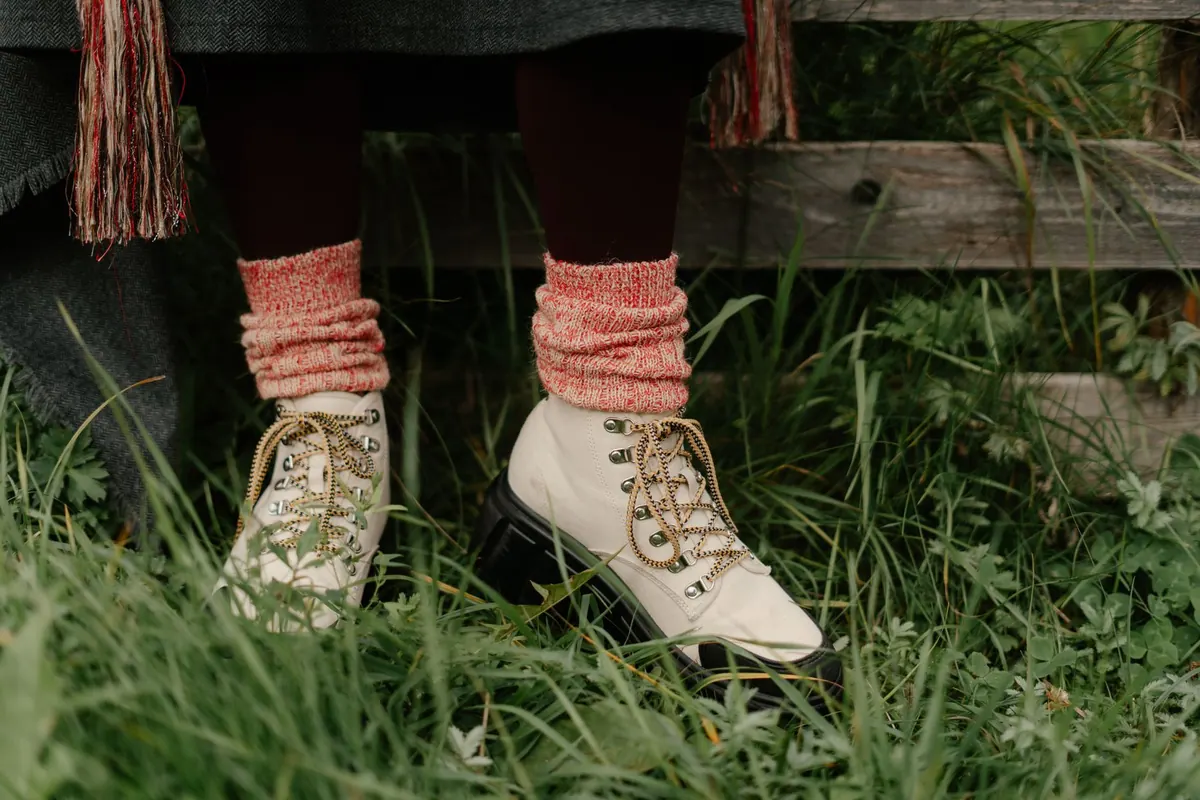
Photo: cottonbro studio / Pexels